Unlike a typical UTI, a cUTI usually affects more than just the bladder. This could mean that the infection is also causing a fever, has spread to the kidneys (pyelonephritis), or has spread to the bloodstream. UTIs in people who have a catheter or certain bladder conditions are also considered cUTIs. These infections can be serious and may require hospitalization. In some cases, cUTIs are caused by antibiotic-resistant bacteria, including multidrug-resistant strains that can be difficult to treat.
Zaynich combines two antibiotics, cefepime and zidebactam, that work together by targeting different penicillin-binding proteins (PBPs) that bacteria need to survive. Together, these medicines are more effective at killing bacteria than when they are used alone. Zidebactam also helps protect cefepime from bacterial enzymes (beta-lactamases) that normally break down antibiotics. This dual action may help Zaynich remain active against certain antibiotic-resistant bacteria, giving your health care provider another option for managing hard-to-treat cUTIs.
Why Was It Approved?
The FDA’s approval was based on data from a clinical trial involving 417 hospitalized adults with cUTIs or acute pyelonephritis. Patients were randomly assigned to receive either Zaynich or meropenem (another IV antibiotic) every eight hours for seven to 10 days. There were two measures of success in this study: complete resolution of symptoms from the infection and complete disappearance of the bacteria that caused the infection.
After seven to 10 days of treatment, 89% of those who received Zaynich achieved both measures of success, compared with 68.4% of those who received the other antibiotic. Zaynich was also generally well tolerated during the study. The most common side effects reported were diarrhea, high blood pressure, headache, and low potassium levels.
What Do I Need to Know?
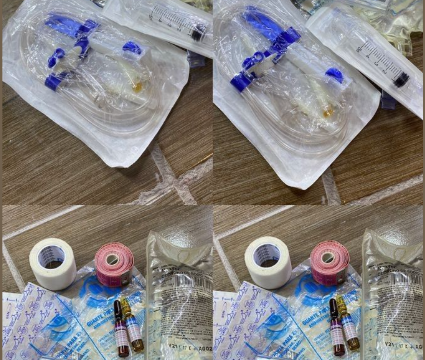
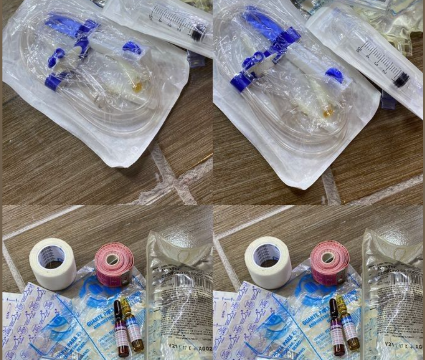
Zaynich is given as an IV infusion every eight hours, and each dose runs over about one hour. Most people receive treatment for about seven to 10 days. Even if you start feeling better after the first few days of treatment, it’s important to continue the antibiotic for the full course prescribed by your health care provider.
The effects of Zaynich during pregnancy and breastfeeding are not fully known. Be sure to tell your health care provider if you are pregnant, planning to become pregnant, or breastfeeding.
Side effects on the brain and nerves (neurotoxicity) have been seen in some people who have received cefepime. Your health care provider needs to be informed right away if you experience confusion, hallucinations, trouble speaking, jerking movements, or seizures during your treatment.
In rare cases, watery or bloody diarrhea from a serious gut infection can happen during treatment with an antibiotic and for over two months afterward. Contact your health care provider at once if you have watery or bloody stools.