Some people with hemophilia form “inhibitors,” which are antibodies that can make factor treatments less effective. This happens in about 20% of people with hemophilia A and about 3% with hemophilia B. Hemophilia affects more than 800,000 people worldwide. Hympavzi offers once‑weekly prevention by subcutaneous injection and does not require routine treatment‑related lab monitoring. It is the first anti‑TFPI therapy cleared in the U.S. and European Union and the first hemophilia medicine in these regions available in a prefilled auto‑injector pen. Children 6 to 11 with hemophilia B now have, for the first time, a subcutaneous, non‑factor preventive option.
Why Was It Approved?
In studies, Hympavzi reduced bleeding compared with treating bleeds only when they happened and worked about as well as routine factor prevention in key measures. In adults and adolescents without inhibitors, it was better than on‑demand factor therapy across several types of bleeds and was non‑inferior to regular factor prophylaxis. In one group that switched from on‑demand care, the model‑based annualized bleeding rate (ABR) for treated bleeds dropped from 39.9 to 3.2 on Hympavzi. For people with inhibitors, this medicine outperformed on‑demand bypassing agents for bleeding outcomes. In a study of adults and adolescents 12 and older, it cut the mean treated ABR by 93% versus on‑demand bypassing agents. Interim results in children ages 6 to 17 also supported benefit. Among those without inhibitors, mean treated ABR on Hympavzi was lower than a modeled prophylaxis comparison. Among those with inhibitors, mean treated ABR on Hympavzi was much lower than a modeled on‑demand comparison. For ages 6 to 11, low mean and median treated ABRs were observed. These pediatric findings were descriptive rather than direct head‑to‑head comparisons. The most common side effects, occurring in at least a small percentage of people, were injection site reactions, headache, fever, joint pain, diarrhea, itching, and rash. Because this medicine blocks TFPI, it may raise the risk of blood clots. Thromboembolic events were uncommon but did occur in studies. People with a history of coronary artery disease, venous or arterial clots, or ischemic disease were excluded, and the drug has not been studied in people with past clotting events. The application received FDA Priority Review. The FDA also granted Breakthrough Therapy designation for routine prevention in younger children with hemophilia B (ages 6 to under 12), with or without inhibitors.
What Do I Need to Know?
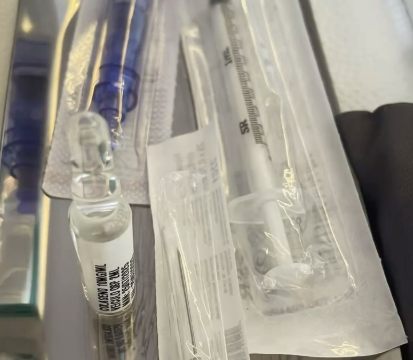
After a one‑time loading dose, you inject Hympavzi under the skin once each week. For ages 12 and older, a loading dose is followed by a weekly dose. Your health care provider may increase the weekly amount if bleeding control is not good enough. For ages 6 to under 12, the loading and weekly doses are lower and can be adjusted if needed. Give it only under the skin, and rotate where you inject it into your body. Do not inject into a vein. The pen is single‑use. If your health care provider says it is appropriate, you or a caregiver can give injections starting at age 12. Children 6 to under 12 should receive the prefilled syringe from an adult caregiver. The liquid should look clear and colorless to light yellow. Do not use it if it looks cloudy, dark yellow, or has flakes or particles. Avoid injecting through clothing or into areas that are bruised, red, sore, hard, or over bone.
You can still use factor VIII or IX products or bypassing agents to treat breakthrough bleeds while you are on Hympavzi. Use the lowest effective dose of these rescue treatments, and do not take an extra dose of Hympavzi to treat a bleed. For major surgery, your health care provider will pause Hympavzi at least seven days before the procedure. Your provider may also pause treatment during a severe short‑term illness. Talk with your health care provider about your personal risk factors for blood clots before starting.
Hympavzi may raise the risk of blood clots. Stop the medicine and get urgent care if you have warning signs such as swelling or pain in an arm or leg, chest pain, shortness of breath, coughing blood, fainting, severe headache, numbness of the face, or sudden eye pain or vision changes. Serious allergic reactions can happen. Hympavzi may harm a fetus. You will need a pregnancy test before starting. Use effective birth control during treatment and for at least two months after the last dose. Tell your health care provider if you are pregnant, plan to become pregnant, or are breastfeeding. It is unknown if the medicine passes into breast milk. If you take too much, call your health care provider or go to the nearest emergency room right away.