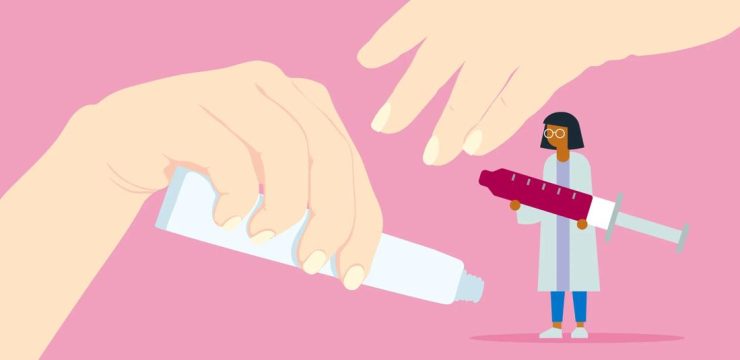
Currently, people with GSD1a must follow a strict diet and consume uncooked cornstarch around the clock to provide sugar to their body. Missing even one dose of cornstarch puts a patient at risk for severe low blood sugar and seizures.
Genglycos is a gene therapy. It delivers a working copy of the missing gene so that the liver can make its own G6Pase enzyme. This helps the liver break down stored sugar and release glucose into the blood during periods of fasting.
Why Was Genglycos Approved?
Genglycos was evaluated in a clinical trial of 46 participants aged 8 and older. People in the study received either a single infusion of Genglycos or a placebo treatment.
This treatment received accelerated approval from the FDA. This pathway allows earlier approval of a drug by using an outcome that is likely to predict a real clinical benefit. The drugmaker will need to perform more research to confirm that the lower cornstarch intake seen in this first study results in long-term health benefits.
Serious side effects reported during this clinical study included severe allergic reactions during infusion, low adrenal gland function, high lactate levels, and low blood sugar.
What Do I Need to Know About Genglycos?
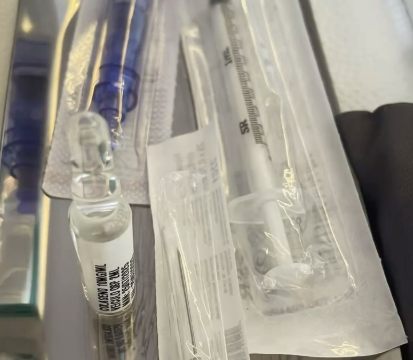
Genglycos is given as a single intravenous (IV) infusion into a vein. Before the infusion, you will take medicines that help reduce the risk of allergic reactions. Two weeks after the infusion, you will start taking a daily steroid medicine to help protect your liver. You will continue taking this medicine for at least eight weeks.
Genglycos should not be used during pregnancy. Women of childbearing potential must use effective birth control for at least 12 months after treatment. Men receiving Genglycos must use effective birth control with their partners for six months after treatment. They must also avoid donating semen during these six months.
Speak with your healthcare provider to make sure you are up-to-date on all your vaccines. You should avoid receiving vaccines for one month before treatment and may not be able to receive vaccines for a few months after treatment.
Because the gene therapy vector passes into bodily fluids like saliva, stool, and urine, patients and their caregivers should practice careful hygiene when handling bodily waste for three months after the infusion.