The drug is for people who are in the early stages of the disease. This includes people with mild cognitive impairment or mild dementia. Alzheimer’s disease causes changes in the brain, including the buildup of a sticky protein called amyloid beta. Leqembi works by targeting and reducing the amount of amyloid beta in the brain.
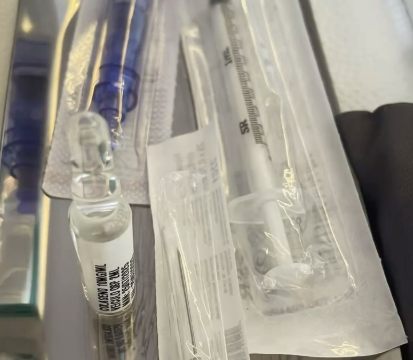
The FDA has approved a new dosing option for this drug. Before, patients could only receive the first 18 months of treatment in a clinic, where the medicine is given as an infusion into a vein (IV). Now, the medicine can be given by either the patient or their caregiver as a shot under the skin (subcutaneous). Once a health care provider has watched the shot being given correctly at least two separate times, it can be given independently at home.
Why Was It Approved?
Two large clinical trials tested how well Leqembi worked in adults with early Alzheimer’s disease. The drug was given as an IV. In these studies, patients were randomly assigned to receive either Leqembi or a placebo (an inactive treatment).
After 18 months, researchers measured the patients’ thinking and daily living skills. Those who received the medicine had a 27% slower decline in their skills, compared to those on the placebo. This means the medicine helped slow down the worsening of the disease.
The version of Leqembi that is given as an under-the-skin shot was not tested separately in its own large clinical trials. Instead, the FDA approved this version of the medicine based on evidence that the under-the-skin shot produces similar effects in the body as the IV form.
What Do I Need to Know?
The first two doses of Leqembi will be observed and guided by a health care provider. If the health care provider feels that you or your caregiver can give the shot safely, then you will be able to give the rest of the doses at home.
Common side effects include headaches, chills, or tiredness after a shot. It may also cause reactions where the shot is given. These local reactions can include redness, swelling, a rash, pain, and bruising. Some people may have a serious allergic reaction to Leqembi. Get help right away if you get hives, have trouble breathing, or have swelling of your face, lips, mouth, or tongue.
Leqembi can cause a serious side effect called ARIA (amyloid-related imaging abnormalities). ARIA usually appears on an MRI as temporary swelling or small spots of bleeding in the brain. Your health care provider will perform brain MRIs before and during treatment to monitor for this. Most people with ARIA do not have any symptoms. But some people may have headaches, confusion, dizziness, vision changes, trouble speaking, or nausea. Tell your health care provider right away if you get any of these symptoms. In rare cases, ARIA can cause severe brain swelling, seizures, or even death.
It isn’t clear if this medicine harms a fetus or passes into breast milk. Talk to your health care provider if you are pregnant, planning to become pregnant, or breastfeeding.