What Is Fayuvi and How Does It Work?
The FDA has approved Fayuvi (rebisufligene etisparvovec) to treat brain-related symptoms in children with a rare genetic disease called Sanfilippo syndrome type A, also known as mucopolysaccharidosis type IIIA (MPS IIIA).
Children with this condition lack an enzyme (sulfamidase) that is needed to break down a natural sugar complex in the body.
Over time, this sugar builds up in brain cells and damages the central nervous system.
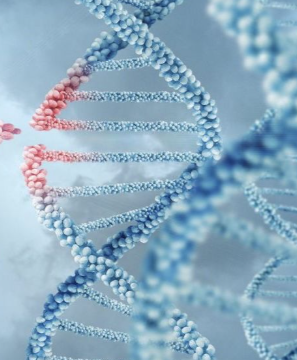
This causes children to gradually lose skills such as talking, thinking, and moving. Fayuvi is a gene therapy given as a single infusion into a vein. It delivers a working copy of the missing gene directly into cells. This allows the body to make the missing enzyme and break down the sugar buildup. By restoring the enzyme, Fayuvi helps slow or prevent further brain damage in children who still have baseline learning and developmental abilities.
Why Was Fayuvi Approved?
The approval was based on a clinical trial that tested Fayuvi in young children with MPS IIIA. In the study, 17 children who received Fayuvi were compared to 27 untreated children who were not part of the study. Because Sanfilippo syndrome type A is extremely rare, researchers used this untreated “natural history” control group to see how the disease usually progresses without treatment. The average age of the children who received treatment was 22 months, with ages ranging from 3 months to 33 months.
What Do Patients and Caregivers Need to Know?
Fayuvi is administered as a one-time infusion into a vein. The infusion takes approximately one hour and is given in a specialized healthcare setting. On the day before the infusion, children must start taking an oral steroid medication, which will continue for at least eight weeks. Steroids help prevent liver inflammation and manage immune reactions caused by the gene therapy. Healthcare providers will order regular blood tests before and after treatment to monitor liver function and other blood counts.