Managing PKU usually means a strict, lifelong low-Phe diet and special medical foods. Sticking to this plan is hard, especially during the teen years. When Phe is not well controlled, thinking, mood, and day-to-day function can suffer. Once your Phe is at a safe level, your health care provider may be able to adjust your diet, which could allow more flexibility.
Why Was It Approved?
The FDA based the decision on studies in adolescents with PKU whose Phe stayed high on current care. In a study, those who received Palynziq had a larger average drop in blood Phe after long-term treatment than those who stayed on diet alone. This supports the medicine’s ability to help control Phe in teens. Evidence in adults also supports its effect. In a study where some adults kept taking Palynziq and others switched to a placebo, those who continued treatment kept their lower Phe levels. Those who moved to placebo trended back toward their pretreatment levels. This pattern shows that Palynziq, not chance, drove the improvement.
Side effects seen in adolescents were common and included reactions where you inject it, joint pain, headache, fever, allergy-type reactions, dizziness, nausea, vomiting, tiredness, and limb pain. A serious allergic reaction called anaphylaxis occurred in about 11% (4 out of 36) of adolescents, and some stopped treatment because of it. Lab changes reported in teens included higher-than-normal eosinophils (a type of white blood cell), very low Phe at times, and rises in creatine phosphokinase (CPK), an enzyme linked to muscle injury. Palynziq has not been shown to be safe or effective in children younger than 12.
What Do I Need to Know?
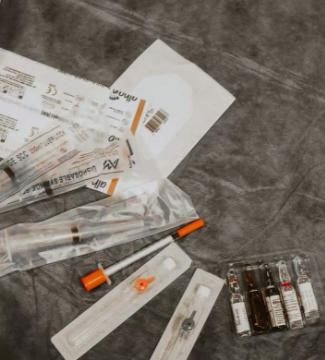
You inject Palynziq under the skin (subcutaneous). You start at 2.5 milligrams once a week for four weeks, then slowly increase to 20 milligrams once daily if you can tolerate it and need more effect. If that’s not enough, your health care provider may raise the dose to 40 or 60 milligrams once daily. If you do not have a good response after 16 weeks at 60 milligrams daily, your provider should stop treatment. Keep following your PKU diet. Your provider may adjust your diet based on your blood Phe levels.
A severe allergic reaction (anaphylaxis) can happen at any time. Your first dose must be given where providers can treat anaphylaxis, and you will be observed for at least 60 minutes afterward. You must carry epinephrine with you at all times. Palynziq is available only through a Risk Evaluation and Mitigation Strategy (REMS) program and is dispensed by certified pharmacies.
After you start, your provider will check your blood Phe about every four weeks until you reach a steady dose, then from time to time. Children and teens may need checks more often. Rotate injection sites and watch for redness, swelling, or tenderness that could mean infection. Use extra caution if you receive other PEGylated products at the same time, as this may raise the chance of hypersensitivity. You can store Palynziq at room temperature, 68-77 F (20-25 C), in the original carton for up to 30 days.
Palynziq is indicated to lower blood Phe in adults and in those 12 and older with PKU whose blood Phe remains high on current management. Safety and effectiveness have not been established in children under 12.