AFRS is a long-lasting type 2 inflammatory sinus disease (rhinosinusitis) caused by an extremely strong allergic reaction to fungi. It can affect both children and adults, especially those living in warm, humid areas where mold is common. AFRS can cause swollen nasal passages, nasal polyps, thick mucus, constant congestion, blocked sinuses, and loss of smell. And in severe cases, it may damage the bones around the sinuses and even change facial structure. Until now, care often meant sinus surgery and long courses of steroid pills, with symptoms coming back in most people affected. Because AFRS responds poorly to standard treatments, it remains a hard-to-manage long-term sinus disease that can seriously impact daily life.
Dupixent is a lab-made antibody, a type of medicine that uses the body’s immune system to fight disease. It works by blocking signals from interleukin‑4 (IL‑4) and interleukin‑13 (IL‑13), which drive type 2 inflammation seen in many allergic conditions. As it is not an immunosuppressant, Dupixent does not weaken your entire immune system.
AFRS marks the ninth FDA-approved reason to use Dupixent, which was first approved in 2017 and has since been used in several other allergic and eosinophil‑driven diseases. This approval matters because Dupixent is the first and only medicine that offers a targeted, non‑immunosuppressive option for relieving symptoms and reducing dependence on repeated surgeries and steroid-based treatments in patients with AFRS.
Why Was It Approved?
The FDA’s approval was based on results of studies that showed that after a year, compared with a placebo, Dupixent was safe and effective in clearing sinuses, easing nasal symptoms, and greatly lowering the need for steroid pills or repeated sinus surgeries in adults and children ages 6 years and older with AFRS.
In a randomized study of 62 adults and children (ages 6 and older) with AFRS, the people in the study received Dupixent, based on their age and weight, or a placebo every two or four weeks. The results showed that although the improvement started as early as week 24, by week 52, those receiving Dupixent had clearer sinuses as seen on computed tomography (CT) scans than those on the placebo (50% versus 10%).
The safety of Dupixent for AFRS was in line with what is known for chronic rhinosinusitis with nasal polyps (another closely related reason to use Dupixent). Common side effects listed for related diseases include reactions where the needle went in, pink eye, joint pain, stomach irritation (gastritis), trouble sleeping, higher levels of eosinophils (a type of white blood cell), and toothaches.
What Do I Need to Know?
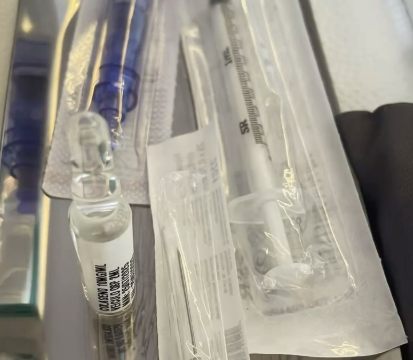
Dupixent comes in prefilled syringes or prefilled pens and is given as a shot under the skin in a clinic or at home after proper training. For patients ages 12-17 years, an adult should supervise home injections, while children under 12 should have a caregiver give the shots. Adults with AFRS typically receive 300 mg every two weeks, and for children and teens, dosing depends on weight: 300 mg every four weeks for those weighing 15 to under 30 kilograms (33 to under 66 pounds); 200 mg every two weeks for those weighing 30 to under 60 kg (66 to under 132 pounds); and 300 mg every two weeks for those weighing 60 kg (132 pounds) or more, with the health care provider confirming the exact schedule. Your health care provider may prescribe other medicines with Dupixent. Take them exactly as directed.
If you or your child misses a Dupixent dose, take it within seven days and then continue your regular schedule. If more than seven days have passed, restart a new schedule based on your original timing – every two weeks or every four weeks, depending on your or your child’s prescribed plan.
Also, tell your provider about all medicines, vitamins, and supplements, including prescription, over-the-counter, and herbal products, you take to avoid possible interactions. Let your health care provider know if you or your child is taking oral, topical, or inhaled steroid medicines. Steroid medications should not be stopped abruptly; reductions must be gradual and should be done under medical supervision.
Contact your health care provider at once if you or your child has signs of serious allergic reactions, including breathing problems; swelling of the face, lips, mouth, tongue, or throat; dizziness or lightheadedness; itching; hives; a skin rash that looks like a bull’s-eye; painful red or blue bumps under the skin; any new or worsening eye pain; redness or vision changes; or joint symptoms.