First approved in 2017, Fasenra is already used to treat severe eosinophilic asthma and eosinophilic granulomatosis with polyangiitis. The FDA has now approved it for another use – in adults and children ages 12 years or older with hypereosinophilic syndrome (HES) who have no other non-blood-related cause.
HES is a rare group of disorders in which the body produces too many eosinophils. Over time, these cells can build up, causing inflammation and damage to different organs. Symptoms vary widely, depending on which organs are affected, and include weight loss, fever, coughing, chest pain, stomach pain, skin rashes, and nerve-related problems, which can make the condition hard to diagnose. If left untreated, HES can lead to serious and sometimes life-threatening organ damage.
Why Was It Approved?
The FDA’s approval is based on a placebo‑controlled study that included people 12 or older with HES who had had at least one HES flare in the past year, with most people having at least two flares in the past year. During the study, everyone stayed on their usual therapy. People with a known non-blood-related cause of HES or a gene marker called FIP1L1‑PDGFRA were not included.
Compared with a placebo, Fasenra delayed the first HES flare. It also cut the risk of a first flare by about 65%. During about 24 weeks of treatment, fewer people had flares and the overall number of flares was lower, compared with those taking a placebo. By the end of the study, people using Fasenra also reported less fatigue.
The most common side effects were headaches, allergic reactions such as hives or rashes, and a flu‑like illness.
What Do I Need to Know?
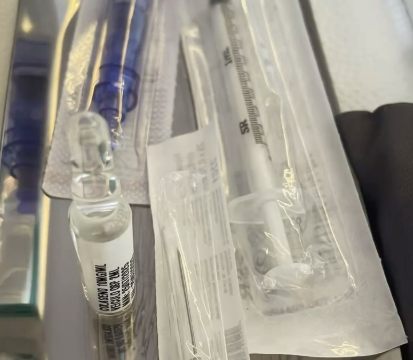
For HES, you will receive one subcutaneous (under-the-skin) shot every four weeks. The drug can be injected into your thigh, belly, or upper arm. After training, you or a caregiver may give the injection at home if your health care provider agrees.
Tell your health care provider about all medicines you take – including prescription and over-the-counter drugs, vitamins, and herbal supplements – to avoid possible interactions. Also, let them know if you are pregnant, planning to become pregnant, or breastfeeding, as it is not known if Fasenra can harm a fetus or pass into breast milk.