The medicine is made from human plasma. It contains two important proteins that help blood clot: von Willebrand Factor (VWF) and Coagulation Factor VIII (FVIII). People with VWD do not have enough working VWF. Because of this, their blood cannot clot correctly. This can cause bleeding that lasts too long, such as frequent nosebleeds or heavy bleeding after an injury. Wilate works by temporarily replacing these missing proteins in the blood.
Wilate was already approved to treat bleeding episodes and to help control bleeding during surgery for people of any age with VWD. It was also approved for regular preventive treatment, but only for people 6 years and older. The FDA has now expanded its approval so that people of any age who have VWD, including children younger than 6, can receive Wilate on a regular schedule to help prevent bleeding.
Why Was It Approved?
The FDA approved this new use based on a clinical trial called WIL-33. The study looked at 12 children under the age of 6 who had severe VWD. All the children received Wilate two or three times a week for a full year. The researchers wanted to see how well the medicine prevented bleeds and if it was safe for toddlers and young children.
The study did not use a standard comparison group taking a fake drug (placebo). Instead, researchers tracked the children directly and compared the results to past data. They found that the treatment worked just as well in these very young children as it did in older patients from previous studies.
The study showed that the medicine worked well to lower the number of bleeds. When children did have a bleed, almost all of them (96%) were very minor. Most of these were nosebleeds. The medicine was also safe and well tolerated by the children in the study.
What Do I Need to Know?
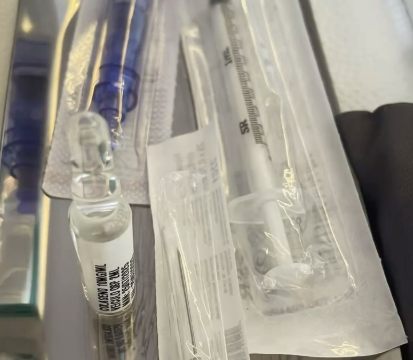
Wilate is given as an injection directly into a vein. For preventing bleeds in young children, it is typically used two to three times each week. Parents or family members can learn how to give these infusions at home after getting proper training from a health care provider.
Wilate is made from human blood. Although donated blood is tested and treated to lower the risk of spreading infections, there is a very small, theoretical risk that it could pass on infections or viruses.
Over time, some patients might develop “inhibitors,” which are antibodies made by the immune system that block the medicine from working. Talk to your doctor if the medicine stops controlling your child’s bleeding.
Always tell your health care provider about all health conditions, prescription medicines, and over-the-counter supplements your child takes before starting a new treatment.